RM
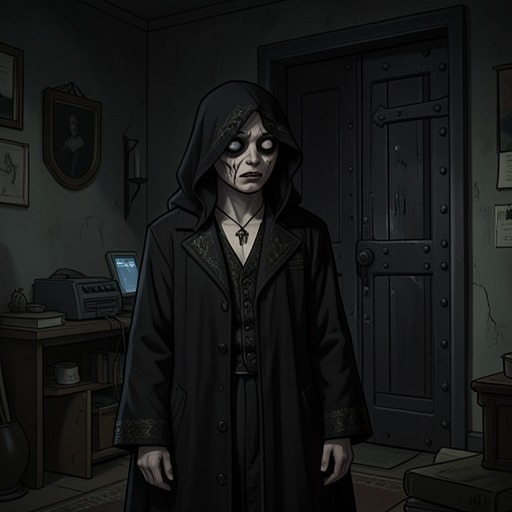
Living with 7 vampiresRM is one of the seven vampires associated with the castle, distinguished less by overt aggression than by observation, nervous humor, and an unusual ability to move through the story in owl form. His role is decisive because he repeatedly turns confusion into information: he identifies what Y/N has encountered, explains how the castle works, recognizes the significance of the green-eyed beings, and remains present through the household’s imprisonments, investigations, and later upheavals.
Identity and Introduction
RM first appears as a comparatively detached figure within the vampire household. While Jimin is being reprimanded for frightening Y/N, RM is described as trying to read, and Jin apologizes for the interruption. The moment establishes a contrast between RM’s quieter, intellectual presentation and the more openly disruptive behavior around him. His identity is then clarified through the castle’s central revelation: the men are not human but vampires. RM is therefore introduced within a group whose apparent domestic normality conceals a dangerous supernatural condition.
His first substantial encounter with Y/N occurs in the Castle Library, where he takes or receives a book and asks what Y/N is doing there. The exchange places him in a setting associated with knowledge, records, and hidden explanations rather than immediate violence. When Y/N recounts that a vampire drank her blood, that an owl enabled her escape, and that she entered the library only to hide and then became lost, RM responds that almost everyone gets lost there. He adds that flying is the fastest way through the castle, making practical knowledge one of his defining resources.
The apparent owl is then revealed to have been RM himself. He laughs nervously while admitting that the animal was not an unrelated creature but his own transformed form. This disclosure makes his animal transformation both a useful means of travel and a form of concealed identity. Y/N’s recognition that the owl was RM turns a threatening or mysterious encounter into a moment of mutual understanding, while RM’s nervous reaction preserves the possibility that even his helpful interventions are not entirely comfortable for him to explain.
Skills, Investigations, and Plot Function
RM’s owl form gives him a distinctive investigative function. When the household is confronted with a mysterious disturbance, he eventually moves again, changes into an owl, and flies toward the chandelier. From that position he discovers claw marks. The scene shows him using transformation not merely as escape or spectacle but as a method of examining spaces inaccessible from the ground. His evidence narrows an otherwise unexplained incident and reinforces his status as the group member who observes before drawing conclusions.
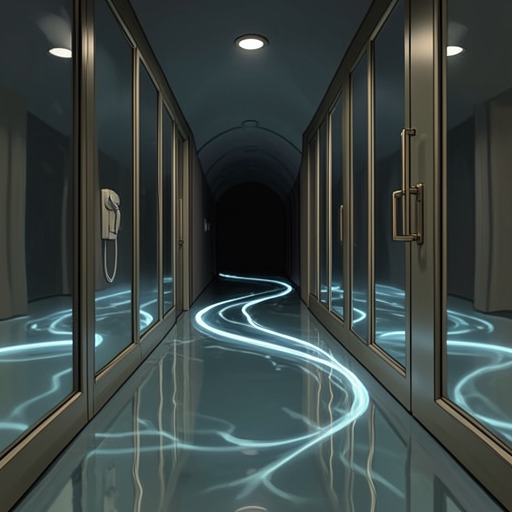
His knowledge also makes him an interpreter of the castle’s geography. He understands that its halls routinely disorient visitors and knows that flight offers the quickest route through them. This practical familiarity places him between the castle and the people trapped inside it: he belongs to the supernatural household, but he can still explain its systems to Y/N, who experiences those systems as confusing and threatening. His assistance is therefore spatial as well as emotional.
RM later becomes important to the investigation of the green-eyed people. When Y/N identifies an encountered figure as one of the green-eyed beings, RM recalls that he has heard the name before. He also remembers an earlier incident in which Jungkook and Jimin had green eyes and one of them spoke. His response links separate episodes that might otherwise appear isolated, turning visual transformation into evidence of a larger pattern. RM does not solve the mystery in that instant, but his memory helps the household recognize recurrence and connect possession or altered states across different characters.
The same investigative role continues when Y/N and four companions return to the ordinary part of the house and immediately encounter RM. He asks where they have been all day and questions the books they are carrying. Jin offers the explanation that they found books in the halls and intended to return them to the library. RM’s presence at this point makes the books part of an information network within the household: he notices unexplained movements, objects, and absences even when the others attempt to provide a harmless account.
Relations with Y/N and the Household
RM’s relationship with Y/N is shaped by disclosure and reassurance rather than by a single dramatic rescue. He listens when Y/N explains the blood-drinking encounter and responds with practical information instead of treating the account as unbelievable. His admission that he was the owl also gives Y/N a concrete explanation for a frightening episode, allowing trust to develop through corrected misunderstanding.
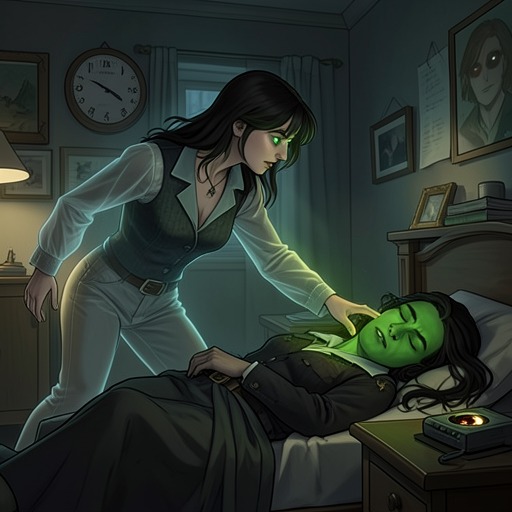
That trust is complicated by the household’s violence and loss of control. At one point RM is locked in a cage, and afterward he acknowledges that the confinement must feel strange to Y/N. Y/N answers that it does, explaining that the sight of RM in that condition was difficult to bear. RM then places an arm on Y/N’s shoulder. The gesture does not erase the circumstances of the imprisonment, but it marks recognition on both sides: Y/N is distressed by RM’s altered or dangerous state, while RM understands that the act of locking him away has emotional consequences for Y/N as well as physical ones for himself.
RM also participates in the household’s ordinary friction. When Suga trips over Jimin, Jimin denies responsibility, and the others ask whether anything has been found, RM is part of the group’s tense, interrupted exchange rather than an isolated investigator. Later, while the others prepare a dangerous plan, he asks Jin whether it is safe and whether Jin is certain that J-Hope will succeed. His question reveals caution and concern for the group. It also places him within a collective decision-making process in which confidence, risk, and incomplete information must be negotiated.
Confinement, Separation, and Recurrence
RM repeatedly appears in situations that expose how vulnerable even the knowledgeable members of the household are. During one period of imprisonment, Y/N reaches the prison door, looks through the bars, and sees RM in another cell on the opposite side. He is holding the bars with his hands. The image reverses his earlier function as the character who knows the castle’s routes: the guide through confusing spaces has himself become fixed inside one of them. His confinement makes the castle’s architecture an instrument of power, capable of isolating allies from one another regardless of their supernatural abilities.
His recurring appearances also connect separate stages of the story. He is present when the household is still learning the nature of the vampires, when Y/N is trying to understand the castle, when the green-eyed threat begins to reveal its pattern, and when the group is divided by cells and hidden passages. Even when he does not control events, his reappearance supplies continuity. RM becomes a recognizable witness to the story’s cycles of disappearance, investigation, capture, and attempted recovery.
A later scene identifies RM as the person entering through a small hole in the wall while Jin and the others are together. Jin immediately asks where Jimin is. RM’s arrival therefore carries information about another character’s absence, maintaining his function as a messenger within a fragmented setting. The narrow opening and the question about Jimin emphasize the household’s repeated need to communicate through barriers rather than through ordinary, secure movement.
Narrative Role and Significance
RM’s characterization depends on contrast. He is associated with reading and books, yet he can also become an owl; he offers knowledge of the castle, yet he is repeatedly lost within its dangers; he investigates claw marks and remembers earlier green-eyed incidents, yet he can be captured and held behind bars. These contradictions make him a bridge between rational inquiry and supernatural instability. He does not stand outside the story’s violence as a detached observer; his evidence is valuable precisely because he shares the risks he helps others interpret.
As a character, RM also helps convert mistaken appearances into a recurring narrative structure. The owl is first encountered as an unexplained presence and later identified as RM. The green eyes are first associated with individual vampires and later recognized as part of a wider threat. The books carried through the halls appear ordinary enough to provoke an excuse, yet their presence signals investigation. In each case, RM’s attention helps move the story from surface appearance toward a more complicated account of identity and possession.
His significance within the vampire-romance framework is similarly relational. RM participates in the household surrounding Y/N, but his bond with Y/N is presented through communication, protection, physical reassurance, and shared vulnerability rather than through a single possessive declaration. By the end of the available evidence, he remains one of the household’s endangered members, a knowledgeable ally whose animal form and observational skill have not exempted him from the castle’s imprisoning logic. The narrative’s final reflection that the characters’ life together is strange but not regretted gives RM’s repeated danger a wider meaning: despite fear, separation, and supernatural disorder, his presence belongs to the collective life that Y/N ultimately accepts.